

Tennessee Master Forage Program
utbeef.tennessee.eduIf you have questions about this resource, contact your county Extension office.
The resources available in this beef and forage calendar are combined as a systems approach that utilizes all resources available to optimize production and net income. This information has been developed to assist you in formulating an overall management plan for your beef operation. Utilize the calendar to schedule various management practices and farm-related activities.

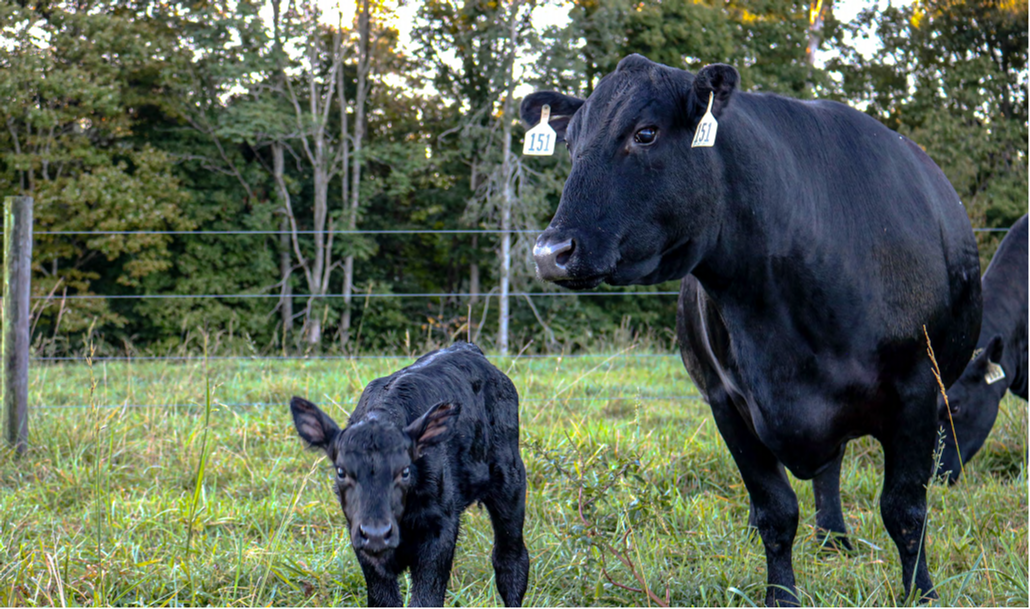
The resources available in the calendar are combined as a systems approach that utilizes all resources available to optimize production and net income. This has been developed to assist you in formulating an overall management plan for your beef operation. Utilize the calendar to schedule various management practices and farm-related activities.
David McIntosh, Coordinator and Researcher, UT Beef and Forage Center
Bruno Pedreira, Associate Professor, Forage Specialist, Director, UT Beef and Forage Center
Katie Mason, Assistant Professor, Beef Cattle Specialist, Department of Animal Science
Saulo Zoca, Assistant Professor, Beef Cattle Reproduction Specialist, Department of Animal Science
Lew Strickland, Associate Professor, Extension Veterinarian, Department of Animal Science

Troy Rowan, Assistant Professor, Beef Cattle Genomics Specialist, Department of Animal Science Andrew Griffith, Associate Professor, Livestock Economist, Department of Agricultural and Resource Economics


The following instructions will guide you through the process of customizing your Beef Integrated Resource Management Calendar. The University of Tennessee Extension publications referred to in this calendar are available at your local county UT Extension office and UTBEEF.COM.
Having a planned breeding/calving season and the availability of handling or working facilities are very important to getting the most from the Beef IRM Calendar. Neither is essential for using the calendar. Both a planned breeding/calving season and handling facilities would be good goals if they are lacking on your farm.
To participate in Process Verification marketing programs, records must be maintained that show the birth dates of the first and last calf born in a calving group. Using the calendar to write the identification number of these calves on the appropriate date on the calendar should serve as the official record for the program. Although not required, it is recommended that the birth date and other appropriate information for each calf be kept on the record sheets in the back of this calendar.
Although not necessary for customizing your Beef IRM Calendar, spending some time on the following will help to develop a stronger farm plan. As a result, the planning done on this calendar will be more focused on the specific areas that most need improvement.
. Determine limitations to meeting your goals and getting the maximum benefit from your beef/forage operation. The following are some, but not all, areas to consider:
Cattle limitations: herd health, genetic potentials, nutritional status, reproductive status and marketing.
Forage limitations: soil type, fertility, land use, forage resources, hay quality, grazing system and match of forage resources to monthly animal needs.
□ Financial and management limitations: available credit, knowledge of financial position and management skills.
Cover Photo
The Tennessee Master Beef Producer Program is designed to provide TENNESSEE MASTER BEEF PRODUCER PROGRAM targeted educational presentations and hands- on demonstrations for a broad scope of topic areas in beef cattle production. Its objective is to provide Tennessee cattle producers with information and experience that can improve profitability while simultaneously making more efficient and sustainable use of natural resources. The program provides training in the areas that need additional attention to improve economic, generational and natural resource sustainability. Topics include beef product, economics and budgeting, facilities and cattle handling, forages, genetic selection, health, marketing and business management, nutrition and reproduction. Benefits include networking opportunities with other producers, educators, researchers and industry representatives. The Tennessee Department of Agriculture supports the Master Beef Producer Program and uses it as the educational component of their Tennessee Agriculture Enhancement Program.
tiny.utk.edu/TMBP
The Tennessee Master TENNESSEE MASTER FORAGE PROGRAM Beef Producer Program is designed to provide targeted educational presentations and hands- on demonstrations for a broad scope of topic areas in beef cattle production. Its objective is to provide Tennessee cattle producers with information and experience that can improve profitability while simultaneously making more efficient and sustainable use of natural resources. The program provides training in the areas that need additional attention to improve economic, generational and natural resource sustainability. Topics include beef product, economics and budgeting, facilities and cattle handling, forages, genetic selection, health, marketing and business management, nutrition and reproduction. Benefits include networking opportunities with other producers, educators, researchers and industry representatives. The Tennessee Department of Agriculture supports the Master Beef Producer Program and uses it as the educational component of their Tennessee Agriculture Enhancement Program.
tiny.utk.edu/TMFP
The University of Tennessee Bull Development and Evaluation Program utilizes the Bull Test Station located at the Middle Tennessee AgResearch and Education Center in cooperation with UT Extension and TSU Cooperative Extension. Data on individual bulls will be available prior to the sale and prospective buyers may view bulls at the annual Open House, as well as on a video that will be made available across the state during the sale so that prospective buyers need not travel to the Bull Test Station for the actual sale.
The purpose of the Bull Development and Evaluation Program is to provide a standard, impartial post- weaning gain test that will furnish records useful to the consignor in his or her breeding program, provide a source of and market for completely performance tested bulls, and serve as an educational tool to beef cattle improvement and promotion.
tiny.utk.edu/BDEP
The purpose of the Tennessee Beef Heifer Development Program is to incentivize the repopulation of the beef herd through TENNESSEE BEEF HEIFER DEVELOPMENT PROGRAM custom heifer development. This will be accomplished through the implementation of management practices ENSURING THE FUTURE OF OUR STATE’S BEEF INDUSTRY with access to more productive replacement females, allowing for a more rapid expansion of Tennessee’s beef herd. This strategy will improve the longevity of these females, decreasing turnover and providing for exponential improvement in genetics and associated revenue generation. The program – a partnership of the University of Tennessee Institute of Agriculture, the Tennessee Department of Agriculture and the Tennessee Farmer’s Cooperative – is designed to:
. Increase the opportunity for custom replacement heifer development.
Demonstrate proper replacement heifer development to beef cattle producers in Tennessee.
. Increase the implementation of heifer development practices that will result in optimum reproductive efficiency as mature cows.

Demonstrate management techniques necessary for replacement heifers to reach target weights and breed successfully.
tiny.utk.edu/TBHD
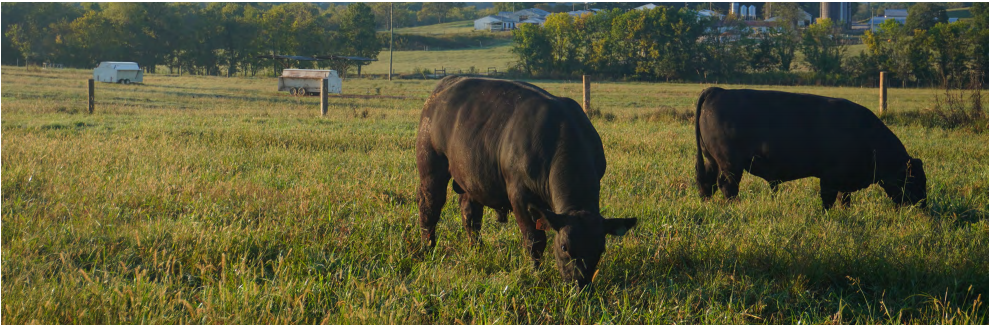
Spring calving cows are bred to calve beginning January 1, with first-calf heifers beginning approximately 30 days earlier. Fall calving cows are bred to calve beginning October 1. Local veterinarians should be consulted to develop appropriate health programs. All practices should be carried out according to label and Beef Quality Assurance (BQA) recommendations. Four general working opportunities should be considered: pre-breeding, pre-weaning, weaning and midsummer.
These dates are based on the breeding season that you used last year:
Define the desired calving period you want the current year. Find these “due dates” using the Gestation Table at the end of this calendar. For example, if you want your calves to begin coming on March 1, you will find this “due date” corresponds to a breeding date of May 22. Therefore, you should begin your breeding season on May 22. Some dates are included in the calendar itself for convenience. (Caution: You should not go from year- round to short-season calving in one year):
Write “Remove bulls from cows” on calendar.
At least 45 days prior to breeding season, purchase bulls (tested for breeding soundness) and/or order semen. Get a Breeding Soundness Evaluation on natural service sires:
. Write the appropriate management practice on the calendar (e.g., Pre-weaning working).
“Start feeding higher-quality hay for last trimester” (November 1 for January calving cows).
Set goals that include financial and production aspects of the beef cow/calf enterprise. Keep financial records monthly to monitor profitability and cash flow.
. Determine the annual quantities of feed, medication and other inputs needed. Negotiate an annual price for each of the required inputs and then schedule different delivery dates prior to the time products are needed. Every month:
” Record all cow purchases, sales, deaths and movements among pastures.
Purchase insurance to protect assets against wind, fire, theft, flood, lightning, liability, collision, etc.
INDIVIDUAL CALF RECORD FORM Cow ID Calf ID Sire ID Birth Date Birth WT Sex Wean WT Remarks 631 801 AN31 15-Mar 85 B 550 Red White Face
INDIVIDUAL CALF RECORD FORM Cow ID Calf ID Sire ID Birth Date Birth WT Sex Wean WT Remarks 631 801 AN31 15-Mar 85 B 550 Red White Face
INDIVIDUAL CALF RECORD FORM Cow ID Calf ID Sire ID Birth Date Birth WT Sex Wean WT Remarks 631 801 AN31 15-Mar 85 B 550 Red White Face
INDIVIDUAL CALF RECORD FORM
Cow ID Calf ID Sire ID Birth Date Birth WT Sex Wean WT Remarks 631 801 AN31 15-Mar 85 B 550 Red White Face
. Bred heifer and bred cow marketing considerations: Females should be bred to calve during common spring and fall calving seasons. Females should be 5+ months bred prior to marketing as bred females.
Consider using the treatment record keeping form to track your cattle/calves health and vaccination regimen.
Keep all records for two years.
. Provide this form to your veterinarian(s).
JANUARY 2026
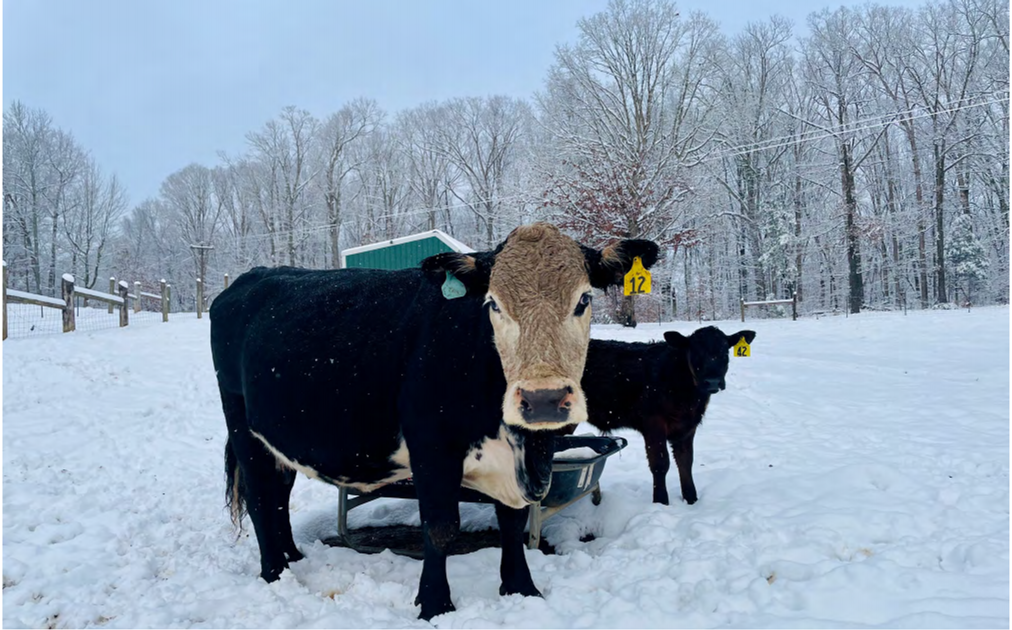
. Supplement with magnesium mineral at least 30 days prior to calving.
Increase feed to cows that have calves. Grain may be needed if you are feeding lower-quality hay (3 to 4 pounds for mature cows and about 8 pounds for first- calf heifers).
. Observe cows closely now since they should begin calving January 1. Expect calving difficulty and intervene if:
” No progress after 90 minutes of labor.
□ Calf is backwards (only the calf’s tail is visible, or the dew claws are pointed “up”).
” The calf’s head and two feet are not visible.
. Identify calf with an ear tag, tattoo or both while it is young and easy to handle. Record dam ID and birth date. Commercial male calves should also be castrated and implanted according to product recommendations. Castration and dehorning are less stressful when performed on young animals. Registered calves should be weighed during the first 24 hours.
Inform tax preparer of sales of unbred heifers in the breeding pool because they are considered breeding livestock by the IRS.
Record the identification number of the first calf born on the appropriate calendar date to serve as a record for the Process Verified Program (PVP).
Increase feed provided as the temperature drops.
Always provide clean water. Be aware of the hazards of frozen ponds.
Begin looking for herd sire replacements that meet herd and farm goals. Yearling bull availability is best in late winter and spring.
. Provide clean windbreaks and shelter for young calves.

Access hay quality and inventory.
Allocate hay feeding based on animal needs and hay quality.
UTBEEF.COM
| NOTES | SUNDAY | MONDAY | TUESDAY | WEDNESDAY | THURSDAY | FRIDAY | SATURDAY |
|---|---|---|---|---|---|---|---|
| Live.Stock | Economics and | Tennessee Master | 31 | 1 | 2 | 3 | |
| Companion and Broadcast | Marketing | Forage Program | |||||
| Due 10/12/26 | |||||||
| Due 10/10/26 | Due 10/11/26 | Due 10/13/26 | |||||
| 4 | 5 | 6 | 7 | 8 | 9 | 10 | |
| Due 10/14/26 | Due 10/15/26 | Due 10/16/26 | Due 10/17/26 | Due 10/18/26 | Due 10/19/26 | Due 10/20/26 | |
| 11 Due 10/21/26 | 12 Due 10/22/26 | 13 Due 10/23/26 | 14 Due 10/24/26 | 15 Due 10/25/26 | 16 Due 10/26/26 | 17 Due 10/27/26 | |
| 18 Due 10/28/26 | 19 Due 10/29/26 | 20 Due 10/30/26 | 21 Due 10/31/26 | 22 Due 11/1/26 | 23 Due 11/2/26 | 24 Due 11/3/26 | |
| 25 Due 11/4/26 | 26 Due 11/5/26 | 27 Due 11/6/26 | 28 Due 11/7/26 | 29 Due 11/8/26 | 30 Due 11/9/26 | 31 Due 11/10/26 |
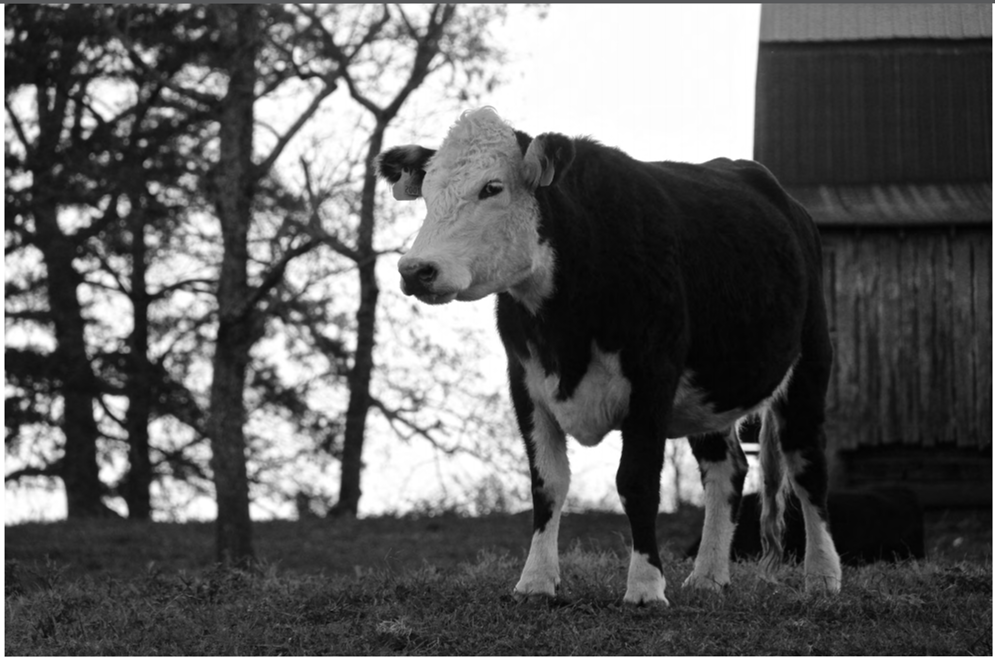
. Identify calf with ear tag, tattoo or both while it is young and easy to handle. Record dam ID and birth date. Commercial male calves should also be castrated and implanted according to product recommendations. Castrating and dehorning are less stressful when performed on young animals. Registered calves should be weighed during the first 24 hours.
Watch for calf scours:
Give fluids to scouring calves that become dehydrated.
Consult your veterinarian for proper diagnosis and treatment.
Move cows that are approaching calving to a clean pasture.
D Vaccinate calves (should be 12 weeks of age or older) for clostridial diseases (blackleg) according to label recommendations.
Separate cows that have calves and increase their feed.
. Continue grass tetany prevention. Cows need 20 grams of magnesium daily or 4 ounces per day of a 15 percent magnesium mineral mix.
. Evaluate yearling replacement heifers for structural soundness, genetic value and weight. Heifers should reach their target weight of 65 percent of expected mature weight by breeding season.
Secure herd sire replacements that meet herd and farm goals. Yearling bull availability is best in late winter and spring.
. Consult your veterinarian for proper deworming of the fall calving herd.

Soil test your hay fields and pastures. Apply phosphate, potash and lime according to soil test recommendation to the species and management.
. Apply nitrogen fertilizer by mid- to late February to promote early grass growth.
UTBEEF.COM
| NOTES | SUNDAY | MONDAY | TUESDAY | WEDNESDAY | THURSDAY | FRIDAY | SATURDAY |
|---|---|---|---|---|---|---|---|
| 1 | 2 | 3 | 4 | 5 | 6 | 7 | |
| Due 11/11/26 | Due 11/12/26 | Due 11/13/26 | Due 11/14/26 | Due 11/15/26 | Due 11/16/26 | Due 11/17/26 | |
| 8 | 9 | 10 | 11 | 12 | 13 | 14 | |
| Due 11/18/26 | Due 11/19/26 | Due 11/20/26 | Due 11/21/26 | Due 11/22/26 | Due 11/23/26 | Due 11/24/26 | |
| 15 | 16 | 17 | 18 | 19 | 20 | 21 | |
| Due 11/25/26 | Due 11/26/26 | Due 11/27/26 | Due 11/28/26 | Due 11/29/26 | Due 11/30/26 | Due 12/1/26 | |
| 22 | 23 | 24 | 25 | 26 | 27 | 28 | |
| Due 12/2/26 | Due 12/3/26 | Due 12/4/26 | Due 12/5/26 | Due 12/6/26 | Due 12/7/26 | Due 12/8/26 | |
| 1 | 2 | 3 | 4 | 5 | Breeding and Reproduction | Genetics | |
| Due 12/9/26 | Due 12/10/26 | Due 12/11/26 | Due 12/12/26 | Due 12/13/26 |
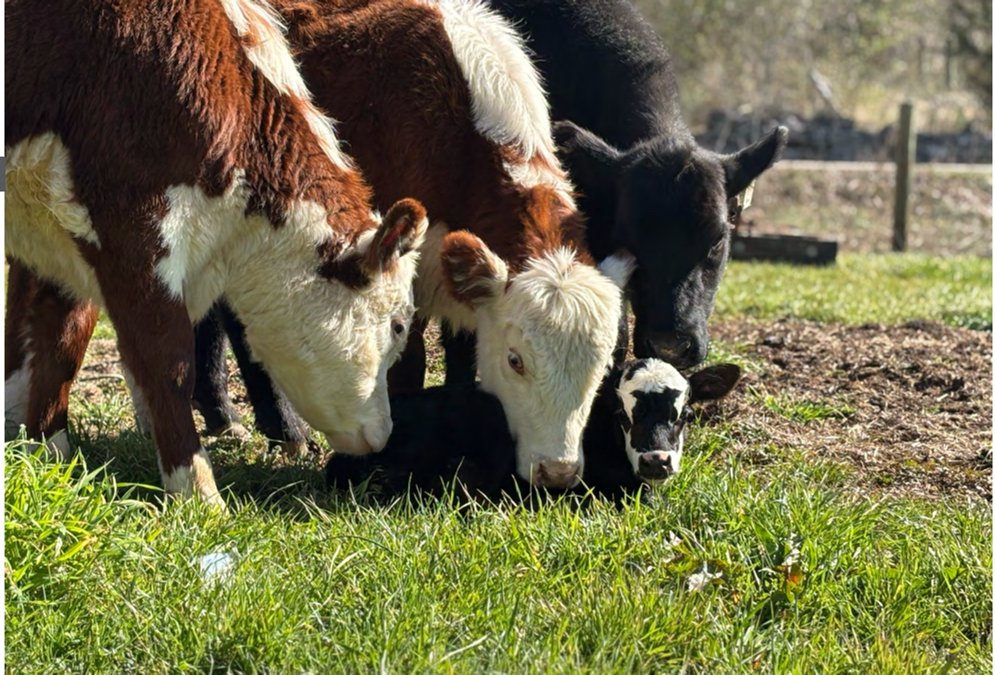
MARCH 2026
Choose a breed and use EPDs, visual observation and DNA marker analysis (if available) to select the bull that best fits your program’s production and marketing goals.
. If you are going to use artificial insemination and/ or estrus synchronization, make plans now and order needed supplies and semen.
. Spring or “turn-out” working is usually scheduled for late April or May. Consult your veterinarian about vaccines and health products your herd needs (see month of April for suggestions).
. Continue providing magnesium in the mineral mix until daytime temperatures are consistently above 60 F.
. Identify calf with an ear tag, tattoo or both while it is young and easy to handle.
Record dam ID and birth date. Commercial male calves should also be castrated and implanted according to product recommendations. Castrating and dehorning are less stressful when performed on young animals. Registered calves should be weighed during the first 24 hours.
Begin breeding replacement heifers for “head-start” calving. Mate to known easy-calving bulls.
Repair fences, equipment and handling facilities.

0 IBR-PI3-BVD-BRSV
0 Hemophilus somnus
D Clostridial diseases (blackleg)
D Deworming calves
Calves intended for feeders should be re-implanted.
. Consider the economics of creep feeding calves with grain or high-quality forage.
Soil test your hay fields and pastures. Apply phosphate, potash and lime according to soil test recommendation to the species and management.
Smooth and reseed hay feeding areas and heavy traffic areas.
Assess opportunity for weed control using recommended herbicides (always read and follow label recommendations).
UTBEEF.COM
| NOTES | SUNDAY | MONDAY | TUESDAY | WEDNESDAY | THURSDAY | FRIDAY | SATURDAY |
|---|---|---|---|---|---|---|---|
| 1 | 2 | 3 | 4 | 5 | 6 | 7 | |
| Due 12/9/26 | Due 12/10/26 | Due 12/11/26 | Due 12/12/26 | Due 12/13/26 | Due 12/14/26 | Due 12/15/26 | |
| 8 | 9 | 10 | 11 | 12 | 13 | 14 | |
| Due 12/16/26 | Due 12/17/26 | Due 12/18/26 | Due 12/19/26 | Due 12/20/26 | Due 12/21/26 | Due 12/22/26 | |
| 15 | 16 | 17 | 18 | 19 | 20 | 21 | |
| Due 12/23/26 | Due 12/24/26 | Due 12/25/26 | Due 12/26/26 | Due 12/27/26 | Due 12/28/26 | Due 12/29/26 | |
| 22 | 23 | 24 | 25 | 26 | 27 | 28 | |
| Due 12/30/26 | Due 12/31/26 | Due 1/1/27 | Due 1/2/27 | Due 1/3/27 | Due 1/4/27 | Due 1/5/27 | |
| 29 | 30 | 31 | 1 | 2 | Forage and Soil Testing | Finished Beef | |
| Due 1/9/27 | Due 1/10/27 | ||||||
| Due 1/6/27 | Due 1/7/27 | Due 1/8/27 |
APRIL 2026
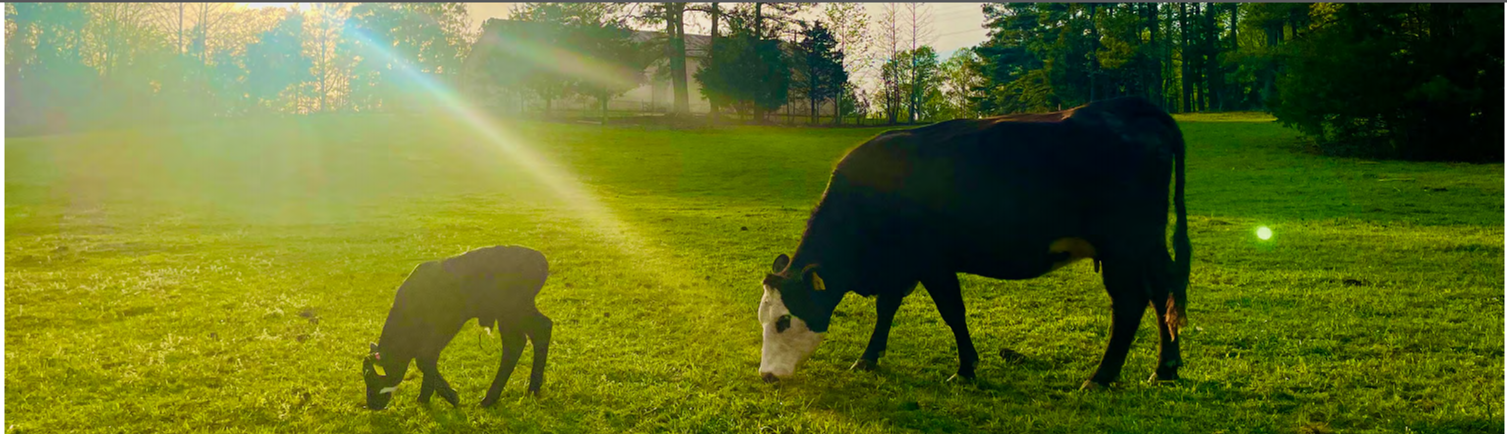
Begin breeding cows no later than April 1, especially if they are on high-endophyte fescue. Use the best-quality pastures during the breeding season. If possible, avoid high-endophyte fescue pastures during breeding.
D Deworming calves.
Vaccinating cows for Vibrio, Lepto (5-way), IBR, BVD and Hemophilus somnus.
□ Vaccinating calves for Clostridial disease (blackleg) and Hemophilus somnus.
Dehorn, castrate and implant calves if not already completed.
. Continue supplemental feeding as needed.
Calves intended for feeders should be re-implanted.
Obtain cow and calf weights at weaning and see your UT Extension county agent for information on record- keeping programs. Cull cows based on performance and pregnancy status and make initial heifer selections, keeping more than you intend to retain for the next breeding season.

UTBEEF.COM
| NOTES | SUNDAY | MONDAY | TUESDAY | WEDNESDAY | THURSDAY | FRIDAY | SATURDAY |
|---|---|---|---|---|---|---|---|
| Forage Testing | Forage Seeding Guide | 31 | 1 | 2 | 3 | 4 | |
| Due 1/9/27 | Due 1/10/27 | Due 1/11/27 | Due 1/12/27 | ||||
| Due 1/8/27 | |||||||
| 5 | 6 | 7 | 8 | 9 | 10 | 11 | |
| Due 1/13/27 | Due 1/14/27 | Due 1/15/27 | Due 1/16/27 | Due 1/17/27 | Due 1/18/27 | Due 1/19/27 | |
| 12 | 13 | 14 | 15 | 16 | 17 | 18 | |
| Due 1/20/27 | Due 1/21/27 | Due 1/22/27 | Due 1/23/27 | Due 1/24/27 | Due 1/25/27 | Due 1/26/27 | |
| 19 | 20 | 21 | 22 | 23 | 24 | 25 | |
| Due 1/27/27 | Due 1/28/27 | Due 1/29/27 | Due 1/30/27 | Due 1/31/27 | Due 2/1/27 | Due 2/2/27 | |
| 26 | 27 | 28 | 29 | 30 | 1 | 2 | |
| Due 2/3/27 | Due 2/4/27 | Due 2/5/27 | Due 2/6/27 | Due 2/7/27 | Due 2/8/27 | Due 2/9/27 |
MAY 2026
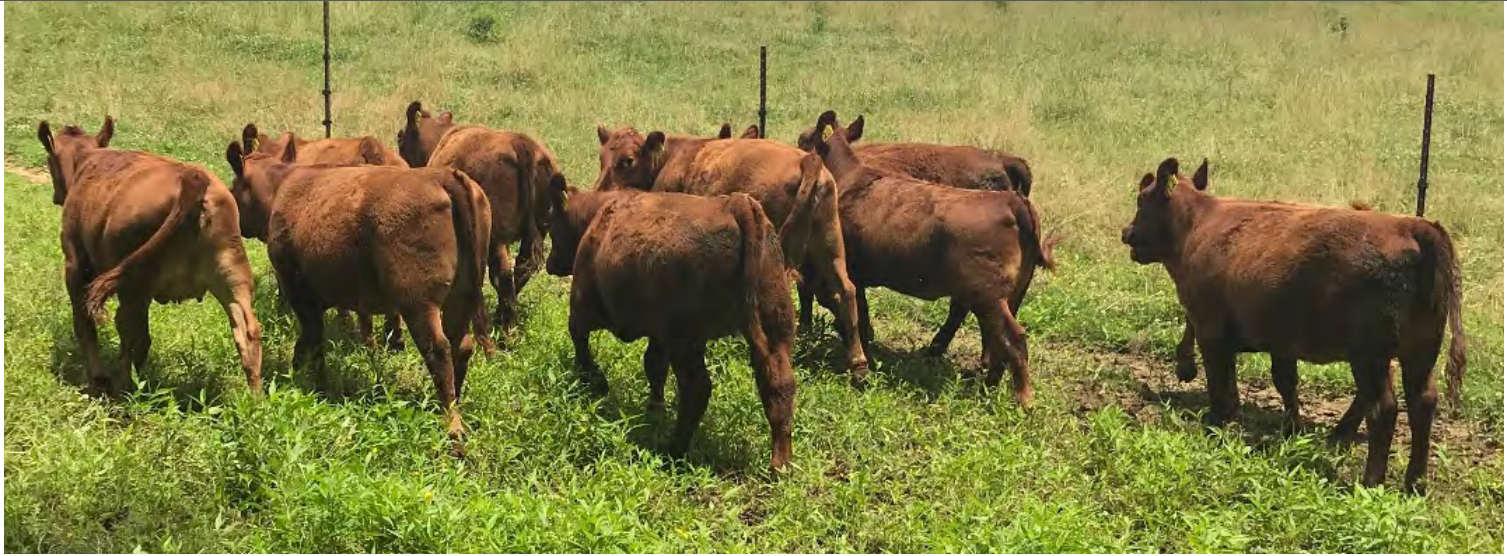
Always maintain mineral feeders. Provide a free-choice mineral mix containing adequate levels of phosphorus, vitamin A, selenium, copper, zinc and other trace minerals.
. Don’t start fly control until the population builds up.

Obtain cow and calf weights at weaning and see your UT Extension county agent for information on record keeping programs. Cull cows based on performance and pregnancy status. Make initial heifer selections, keeping more than you intend to retain for the next breeding season.
Start hay harvest to ensure adequate quality.
Clip seed heads to prevent seed head formation on fescue and to control weeds as needed. Consider herbicide options.
Rotate pastures as needed.
UTBEEF.COM
| NOTES | SUNDAY | MONDAY | TUESDAY | WEDNESDAY | THURSDAY | FRIDAY | SATURDAY |
|---|---|---|---|---|---|---|---|
| Forage Testing | Principles of Grazing Management | 28 | 29 | 30 | 1 | 2 | |
| Due 2/5/27 | Due 2/6/27 | Due 2/7/27 | Due 2/8/27 | Due 2/9/27 | |||
| 3 | 4 | 5 | 6 | 7 | 8 | 9 | |
| Due 2/10/27 | Due 2/11/27 | Due 2/12/27 | Due 2/13/27 | Due 2/14/27 | Due 2/15/27 | Due 2/16/27 | |
| 10 | 11 | 12 | 13 | 14 | 15 | 16 | |
| Due 2/17/27 | Due 2/18/27 | Due 2/19/27 | Due 2/20/27 | Due2/21/27 | Due 2/22/27 | Due 2/23/27 | |
| 17 | 18 | 19 | 20 | 21 | 22 | 23 | |
| Due 2/24/27 | Due 2/25/27 | Due 2/26/27 | Due 2/27/27 | Due 2/28/27 | Due 3/1/27 | Due 3/2/27 | |
| 24 | 25 | 26 | 27 | 28 | 29 | 30 | |
| Due 3/3/27 | |||||||
| 31 | |||||||
| Due 3/10/27 | Due 3/4/27 | Due 3/5/27 | Due 3/6/27 | Due 3/7/27 | Due 3/8/27 | Due 3/9/27 |
JUNE 2026
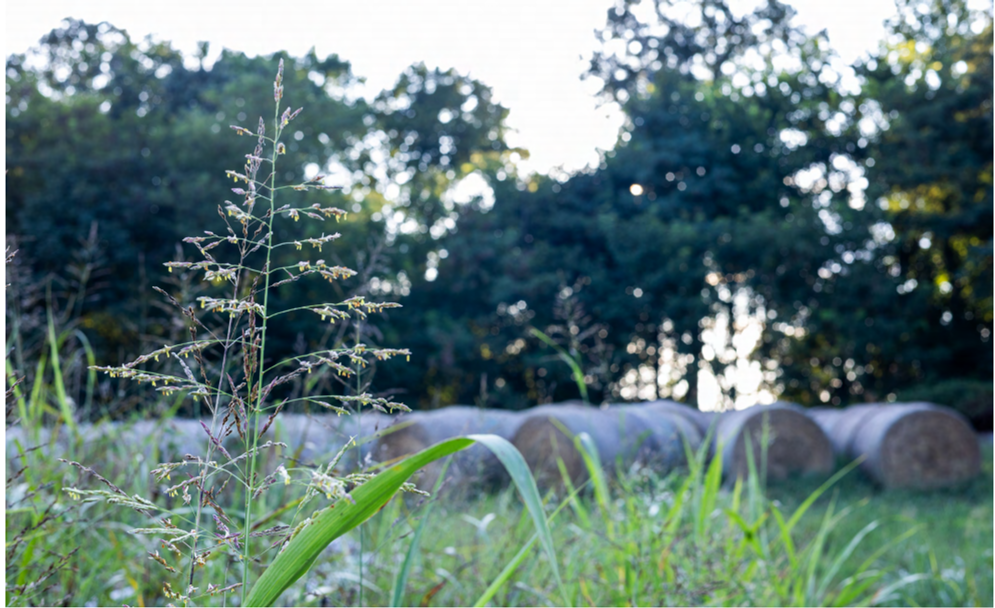
Breeding season is almost over:
Continue pasture rotation and avoid high-endophyte fescue during this month for best rebreeding performance.
To avoid heat stress, work cattle early in the morning.
Consider deworming cows and calves (mid-July is optimal)
. Spray for flies while cattle are gathered (if not using other control methods).
[ Clip tall, mature grass.
D Reduce flies with adequate fly control.
D Treat problems quickly.
D Consider vaccinating.
Control flies. Methods may include:
[ Back rubbers, spray, dust bags, pour-ons.
D Insecticide ear tags (two per animal).
” Salt-mineral mix containing oral larvicide.
D Maintain a clean water supply and check it routinely. Water is extremely important in hot weather.
. Make an initial selection of replacement heifers.

Continue hay harvests.
Rotate pastures as needed.
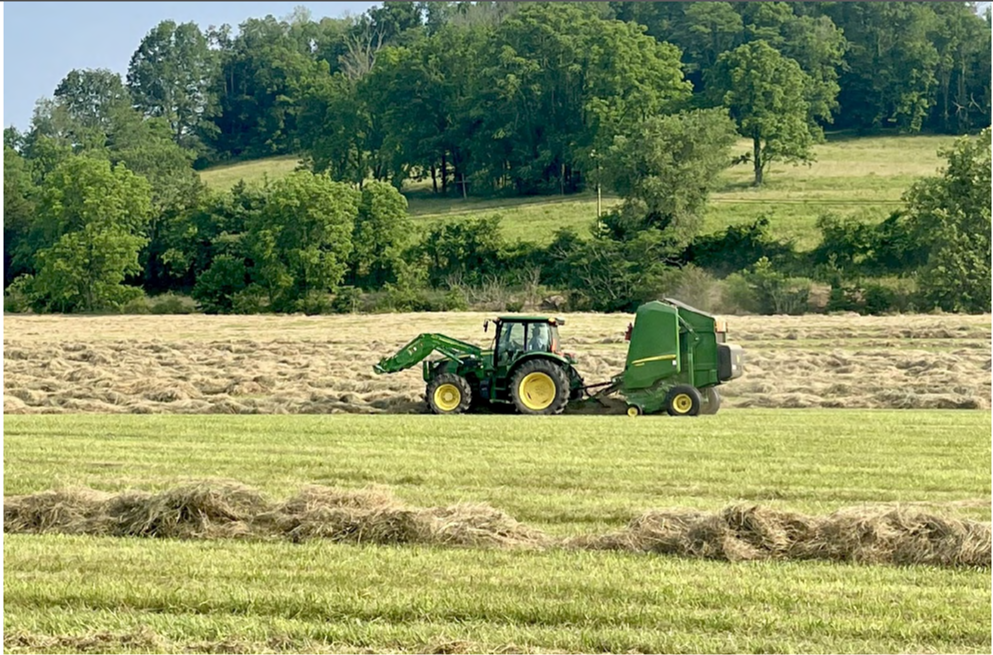
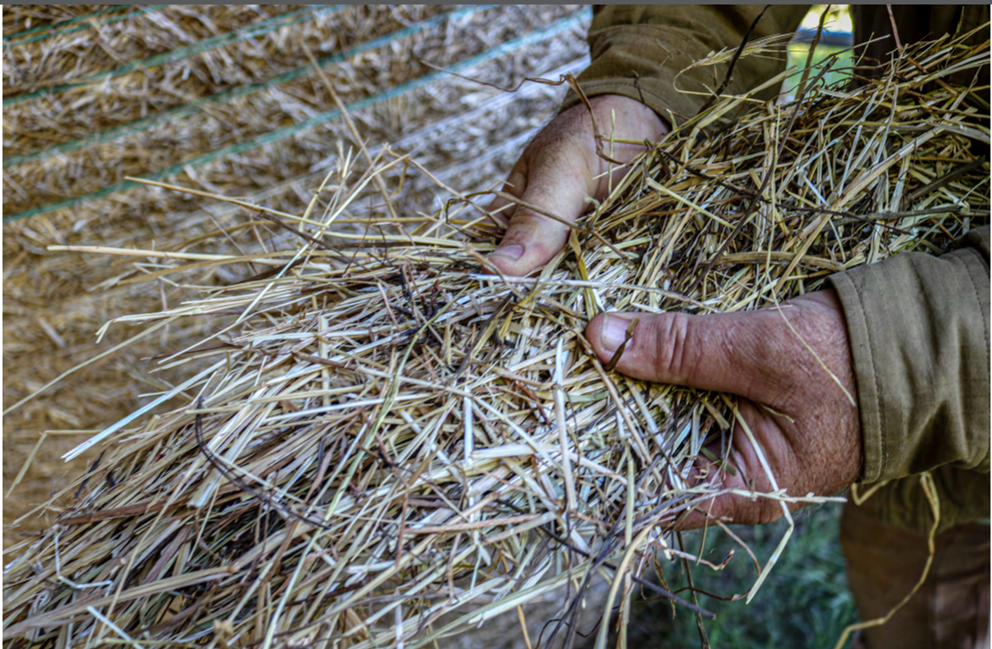
. Protect round bales of hay from weather damage to minimize storage losses of yield and quality.
UTBEEF.COM
| NOTES | SUNDAY | MONDAY | TUESDAY | WEDNESDAY | THURSDAY | FRIDAY | SATURDAY |
|---|---|---|---|---|---|---|---|
| 31 | 1 | 2 | 3 | 4 | 5 | 6 | |
| Due 3/10/27 | Due 3/11/27 | Due 3/12/27 | Due 3/13/27 | Due 3/14/27 | Due 3/15/27 | Due 3/16/27 | |
| 7 | 8 | 9 | 10 | 11 | 12 | 13 | |
| Due 3/17/27 | Due 3/18/27 | Due 3/19/27 | Due 3/20/27 | Due 3/21/27 | Due 3/22/27 | Due 3/23/27 | |
| 14 | 15 | 16 | 17 | 18 | 19 | 20 | |
| Due 3/24/27 | Due 3/25/27 | Due 3/26/27 | Due 3/27/27 | Due 3/28/27 | Due 3/29/27 | Due 3/30/27 | |
| 21 | 22 | 23 | 24 | 25 | 26 | 27 | |
| Due 3/31/27 | Due 4/1/27 | Due 4/2/27 | Due 4/3/27 | Due 4/4/27 | Due 4/5/27 | Due 4/6/27 | |
| 28 | 29 | 30 | 1 | Tennessee Master Forage Program | Video: Calibrating Sprayers | Health | |
| Due 4/7/27 | Due 4/8/27 | Due 4/9/27 | Due 4/10/27 |
JULY 2026
Bulls should be removed from the cow herd, grouped together in a pasture with good fence and allowed to regain “normal” weight and condition.
. Manage to minimize the effect of high-endophyte level in fescue. Pasture, other than fescue, can be beneficial this month.
Watch pastures! If pasture is running short, start supplemental feeding.
. Check pastures for poisonous plants.
. Repair and improve corrals for fall working and weaning.
. Consider limited creep feeding during last summer.
. Continue to watch for pinkeye and treat if necessary.
Check pastures for downed wild cherry trees after storms (wild cherry leaves can be toxic to cattle).
. Be sure that clean water is always available, especially in hot weather.

Always keep a good free-choice mineral mix available.
Get ready for fall calving and plan to have good pasture available for fall calving.
Replacement heifers should gain at an adequate rate to reach their “target” breeding weight (65 percent of mature size) by November 25.
. Identify fescue pastures for accumulation of fall growth (stockpiling).
Attend county, regional and state field days for timely information.
Clip pastures as needed.
Assess the need for weed control.
. Determine species and varieties to be seeded in fall.
UTBEEF.COM
| NOTES | SUNDAY | MONDAY | TUESDAY | WEDNESDAY | THURSDAY | FRIDAY | SATURDAY |
|---|---|---|---|---|---|---|---|
| Video: Heat Stress | Water Quality | 30 | 1 | 2 | 3 | 4 | |
| Due 4/9/27 | Due 4/10/27 | Due 4/11/27 | Due 4/12/27 | Due 4/13/27 | |||
| 5 | 6 | 7 | 8 | 9 | 10 | 11 | |
| Due 4/14/27 | Due 4/15/27 | Due 4/16/27 | Due 4/17/27 | Due 4/18/27 | Due 4/19/27 | Due 4/20/27 | |
| 12 | 13 | 14 | 15 | 16 | 17 | 18 | |
| Due 4/21/27 | Due 4/22/27 | Due 4/23/27 | Due 4/24/27 | Due 4/25/27 | Due 4/26/27 | Due 4/27/27 | |
| 19 | 20 | 21 | 22 | 23 | 24 | 25 | |
| Due 4/28/27 | Due 4/29/27 | Due 4/30/27 | Due 5/1/27 | Due 5/2/27 | Due 5/3/27 | Due 5/4/27 | |
| 26 | 27 | 28 | 29 | 30 | 31 | 1 | |
| Due 5/5/27 | Due 5/6/27 | Due 5/7/27 | Due 5/8/27 | Due 5/9/27 | Due 5/10/27 | Due 5/11/27 |
AUGUST 2026
. Manage to minimize the effect of high endophyte level in fescue. Pasture, other than fescue, can be beneficial this month.
Watch pastures! If pasture is running short, start supplemental feeding.
Watch for poisonous plants in pastures.
. Provide shade and water. Check water supply frequently; as much as 20 gallons may be required by high-producing cows in very hot weather.
. Don’t give up on fly control. Methods may need to be combined (i.e., spraying of “tagged” cattle) in late summer.
Keep a good mineral mix available at all times. Provide a free-choice mineral mix containing adequate levels of phosphorus, vitamin A, selenium, copper, zinc and other trace minerals.

. Fall calving cows should be dry and pregnant. Their nutrient needs are minimal and they can be maintained on lower-quality pasture to avoid over conditioning. Always keep a good free-choice mineral mix available.
Get ready for fall calving and plan to have good pasture available.
Inform tax preparer of sales of unbred heifers in the breeding pool because they are considered breeding livestock by the IRS.
UTBEEF.COM
| NOTES | SUNDAY | MONDAY | TUESDAY | WEDNESDAY | THURSDAY | FRIDAY | SATURDAY |
|---|---|---|---|---|---|---|---|
| Soil Testing | Video: Understanding Fertilizer | 28 | 29 | 30 | 31 | 1 | |
| Due 5/7/27 | Due 5/8/27 | Due 5/9/27 | Due 5/10/27 | Due 5/11/27 | |||
| 2 | 3 | 4 | 5 | 6 | 7 | 8 | |
| Due 5/12/27 | Due 5/13/27 | Due 5/14/27 | Due 5/15/27 | Due 5/16/27 | Due 5/17/27 | Due 5/18/27 | |
| 9 | 10 | 11 | 12 | 13 | 14 | 15 | |
| Due 5/19/27 | Due 5/20/27 | Due 5/21/27 | Due 5/22/27 | Due 5/23/27 | Due 5/24/27 | Due 5/25/27 | |
| 16 | 17 | 18 | 19 | 20 | 21 | 22 | |
| Due 5/26/27 | Due 5/27/27 | Due 5/28/27 | Due 5/29/27 | Due 5/30/27 | Due 5/31/27 | Due 6/1/27 | |
| 23 | 24 | 25 | 26 | 27 | 28 | 29 | |
| Due 6/2/27 | Due 6/3/27 | ||||||
| 30 | 31 | ||||||
| Due 6/9/27 | Due 6/10/27 | Due 6/4/27 | Due 6/5/27 | Due 6/6/27 | Due 6/7/27 | Due 6/8/27 |
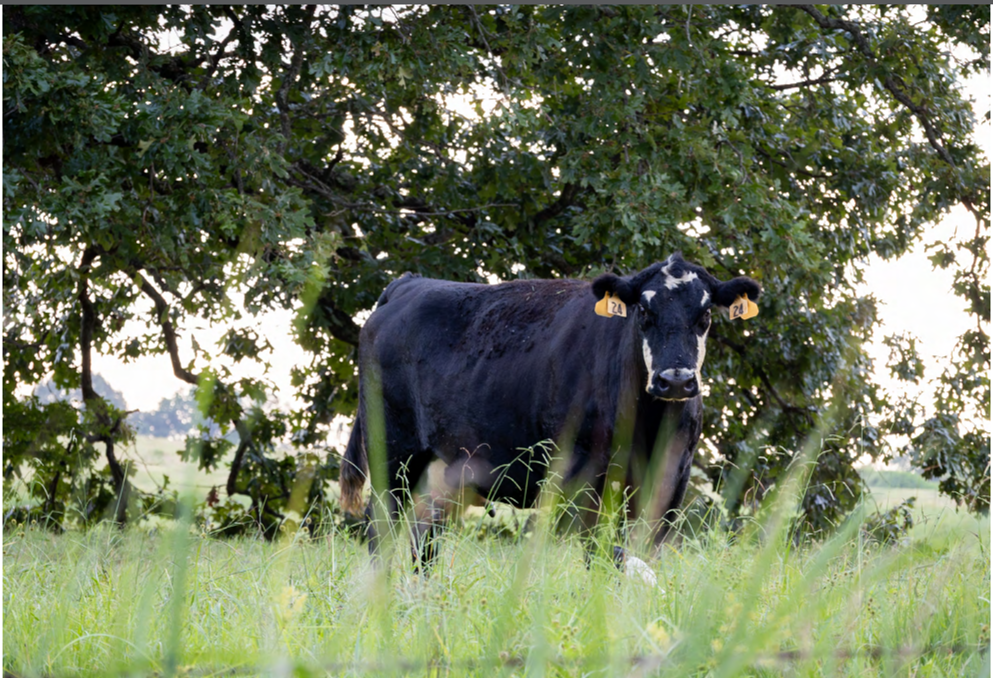
Consult your veterinarian on the merits of a pre-weaning working of the herd, which may include:
Vaccinating calves for:
D IBR-PI3-BVD-BRSV.
0 Hemophilus somnus.
D Clostridial diseases (blackleg).
Pregnancy examination of the cows.
Treatment of cows for grubs and lice.
. Deworm if retaining calves for more than 30 days.
. Make an economic analysis of limit feeding and of all marketing options for calves including selling at auction barn, video and private treaty. Another option is to retain ownership, either by backgrounding or sending the calf to the feedlot.
. Don’t give up on fly control. Methods may need to be combined (i.e., spraying of “tagged” cattle) in late summer.
. Keep a good mineral always mix available. Provide a free-choice mineral mix containing adequate levels of phosphorus, vitamin A, selenium, copper, zinc and other trace minerals.
Pregnant cows should be moved to better pastures as calving approaches.
. Observe first-calf heifers closely now, since they should begin head-start calving by September 10. Expect calving difficulty and intervene if:
” No progress after 90 minutes of labor.
Calf is backwards (only the calf’s tail is visible, or the dewclaws are pointed “up”).

Calf’s head and two feet are not visible.
. Inform tax preparer of sales of unbred heifers in the breeding pool because they are considered breeding livestock by the IRS.
Determine breed and type bull needed for next breeding season.
UTBEEF.COM
| NOTES | SUNDAY | MONDAY | TUESDAY | WEDNESDAY | THURSDAY | FRIDAY | SATURDAY |
|---|---|---|---|---|---|---|---|
| 30 | 31 | 1 | 2 | 3 | 4 | 5 | |
| Due 6/9/27 | Due 6/10/27 | Due 6/11/27 | Due 6/12/27 | Due 6/13/27 | Due 6/14/27 | Due 6/15/27 | |
| 6 | |||||||
| 7 | 8 | 9 | 10 | 11 | 12 | ||
| Due 6/16/27 | Due 6/17/27 | Due 6/18/27 | Due 6/19/27 | Due 6/20/27 | Due 6/21/27 | Due 6/22/27 | |
| 13 | 14 | 15 | 16 | 17 | 18 | 19 | |
| Due 6/23/27 | Due 6/24/27 | Due 6/25/27 | Due 6/26/27 | Due 6/27/27 | Due 6/28/27 | Due 6/29/27 | |
| 20 | 21 | 22 | 23 | 24 | 25 | 26 | |
| Due 6/30/27 | Due 7/1/27 | Due 7/2/27 | Due 7/3/27 | Due 7/4/27 | Due 7/5/27 | Due 7/6/27 | |
| 27 | 28 | 29 | 30 | 1 | Forage and Soil Testing | Video: Drill Calibration | |
| Due 7/7/27 | Due 7/8/27 | Due 7/9/27 | Due 7/10/27 | Due 7/11/27 |
OCTOBER 2026
Give any necessary booster vaccinations to calves.
. Consider selling open cows and heifers and weaning poor calves. Inform tax preparer if the cows and heifers were raised or purchased.
. Put thin cows (body condition score less than 5) on high-quality feed or pasture, such as accumulated tall fescue.
Obtain cow and calf weights at weaning and see your UT Extension county agent for information on record keeping programs. Cull cows based on performance and pregnancy status and make initial heifer selections, keeping at least 15 percent more than you intend to retain for the next breeding season.
. Keep back the best of the heifer calves born during the first half of the calving season as replacements.
” Special feeder calf sales.
” Weekly auction markets.
” Private treaty sales to dealers or feeders.
” Backgrounding the calves, yourself.
” Retaining ownership through the feedlot.
. Cows should be moved to a clean, accessible pasture for calving.
. Identify calf with an ear tag, tattoo or both while it is young and easy to handle. Record dam ID and birth date. Commercial male calves should also be castrated and implanted according to product recommendations. Castration and dehorning are less stressful when performed on young animals. Registered calves should be weighed during the first 24 hours following birth.
Soil test your hay fields and pastures. Apply phosphate, potash and lime according to soil test recommendation to the species and management.
. Do not harvest or graze alfalfa fields to replenish root reserves.

UTBEEF.COM
| NOTES | SUNDAY | MONDAY | TUESDAY | WEDNESDAY | THURSDAY | FRIDAY | SATURDAY |
|---|---|---|---|---|---|---|---|
| Forage and | Video: Winter | 29 | 30 | 1 | 2 | 3 | |
| Soil Testing | Weed Management | ||||||
| Due 7/9/27 | Due 7/10/27 | Due 7/11/27 | Due 7/12/27 | Due 7/13/27 | |||
| 4 | 5 | 6 | 7 | 8 | 9 | 10 | |
| Due 7/14/27 | Due 7/15/27 | Due 7/16/27 | Due 7/17/27 | Due 7/18/27 | Due 7/19/27 | Due 7/20/27 | |
| 11 | 12 | 13 | 14 | 15 | 16 | 17 | |
| Due 7/21/27 | Due 7/22/27 | Due 7/23/27 | Due 7/24/27 | Due 7/25/27 | Due 7/26/27 | Due 7/27/27 | |
| 18 | 19 | 20 | 21 | 22 | 23 | 24 | |
| Due 7/28/27 | Due 7/29/27 | Due 7/30/27 | Due 7/31/27 | Due 8/1/27 | Due 8/2/27 | Due 8/3/27 | |
| 25 | 26 | 27 | 28 | 29 | 30 | 31 | |
| Due 8/4/27 | Due 8/5/27 | Due 8/6/27 | Due 8/7/27 | Due 8/8/27 | Due 8/9/27 | Due 8/10/27 |
Obtain cow and calf weights and see your UT Extension county agent for information on record- keeping programs. Cull cows based on performance and pregnancy status and make initial heifer selections, keeping more than you intend to retain for the next breeding season.
. Dry cows can utilize crop residues and poor-quality hay, but do not let them lose weight. Save higher- quality feeds until calving time.
Replacement heifers should gain at an adequate rate to reach their “target” breeding weight (65 percent of mature weight) by March 1.
Increase feed to cows 45-60 days prior to calving.
This is a good time to freeze brand replacement heifers for permanent identification.
. Evaluate the performance of calves and consider changes in your breeding program.
Check calving pastures frequently.
. Identify calf with ear tag, tattoo or both while it is young and easy to handle. Record dam ID and birth date. Commercial male calves should also be castrated and implanted according to product recommendations. Castrating and dehorning are less stressful when performed on young animals. Registered calves should be weighed during the first 24 hours following birth.
Move cows with young calves to the best stockpiled fescue pasture.
Line up Al sires and/or purchase new bulls at least 30 days prior to breeding season. Choose a breed and use EPDs and visual observation to select the bull that best fits your program and budget.
Evaluate yearling replacement heifers for reproductive tract score and weight. Heifers should reach their target weight of 65 percent of expected mature weight by breeding season.
Soil test your hay fields and pastures. Apply lime according to soil test recommendation to the species and management.
. Please continue inventory of hay supplies and needs.
. Continue testing hay for nutrient content.

UTBEEF.COM
| NOTES | SUNDAY | MONDAY | TUESDAY | WEDNESDAY | THURSDAY | FRIDAY | SATURDAY |
|---|---|---|---|---|---|---|---|
| 1 | 2 | 3 | 4 | 5 | 6 | 7 | |
| Due 8/11/27 8 Due 8/18/27 | Due 8/12/27 | Due 8/13/27 | Due 8/14/27 | Due 8/15/27 | Due 8/16/27 | Due 8/17/27 14 Due 8/24/27 | |
| 9 Due 8/19/27 | 10 Due 8/20/27 | 11 Due 8/21/27 | 12 Due 8/22/27 | 13 Due 8/23/27 | |||
| 15 | 16 | 17 | 18 | 19 | 20 | 21 | |
| Due 8/25/27 | Due 8/26/27 | Due 8/27/27 | Due 8/28/27 | Due 8/29/27 | Due 8/30/27 | Due 8/31/27 | |
| 22 | 23 | 24 | 25 | 26 | 27 | 28 | |
| Due 9/1/27 | Due 9/2/27 | Due 9/3/27 | Due 9/4/27 | Due 9/5/27 | Due 9/6/27 | Due 9/7/27 | |
| 29 | 30 | 1 | 2 | Hay and Silage | Forage and Soil Testing | Forage Variety Trials | |
| Due 9/8/27 | Due 9/9/27 | Due 9/10/26 | Due 9/11/27 |
. Divide the herd into groups for winter-feeding, which may include:
D Weaned calves.
First- and second-calf heifers and thin cows.
The remainder of the dry cows are in good body condition.
D Herd sires.
” Feed the lowest-quality forage to mature dry cows during early winter.
[ Be sure that weaned heifer calves are on “target” and being fed so that they weigh 65 percent of mature weight by 14 to 15 months of age.
D Facilities to warm chilled calves (warming box, truck cab, heat lamp, etc.).
D Puller and chains.
D Ear tags and applicator.
D Frozen colostrum or commercial colostrum supplement.
D Oral calf feeder.
[ lodine for calf’s navel.
D Record book.
D Scales (optional).
Mature dry cow’s needs are minimal if they are in the desired body condition (BCS of 5).
. Keep replacement heifer calves gaining enough to reach their “target” weight (65 percent mature weight) by the start of the breeding season.
Review this year’s calf crop and start plans for next year’s breeding program.
Plan to attend Advanced Master Beef Producer and other educational meetings to update your knowledge of beef production.
. Develop criteria for bulls to be purchased and start attending bull sales.
D Deworming cows.
Vaccinating cows for Lepto (5-way), IBR, BVD and vibrio.
Vaccinating calves for clostridial diseases (blackleg) and IBR-PI3-BVD-BRSV.
Dehorn, castrate and implant and ID calves if not already completed.
Cows must be fed when the pasture runs out. Cows with calves need 25 or 30 pounds of good-quality hay or its equivalent. Supplement with grain, if needed.
. At the beginning of breeding season, record inventory of all cows in each breeding pasture. Record the identification number of the last calf born on the appropriate calendar date to serve as a record for the PVP Program.
Continue using stockpiled tall fescue and crop residues as available.
Continue testing hay for nutrient content.
Start inventory of hay supplies and needs and test hay quality.

UTBEEF.COM
| NOTES | SUNDAY | MONDAY | TUESDAY | WEDNESDAY | THURSDAY | FRIDAY | SATURDAY |
|---|---|---|---|---|---|---|---|
| 29 | 30 | 1 | 2 | 3 | 4 | 5 | |
| Due 9/8/27 | Due 9/9/27 | Due 9/10/27 | Due 9/11/27 | Due 9/12/27 | Due 9/13/27 | Due 9/14/27 | |
| 6 | 7 | 8 | 9 | 10 | 11 | 12 | |
| Due 9/15/27 | Due 9/16/27 | Due 9/17/27 | Due 9/18/27 | Due 9/19/27 | Due 9/20/27 | Due 9/21/27 | |
| 13 | 14 | 15 | 16 | 17 | 18 | 19 | |
| Due 9/22/27 | Due 9/23/27 | Due 9/24/27 | Due 9/25/27 | Due 9/26/27 | Due 9/27/27 | Due 9/28/27 | |
| 20 | 21 | 22 | 23 | 24 | 25 | 26 | |
| Due 9/29/27 | Due 9/30/27 | Due 10/1/27 | Due 10/2/27 | Due 10/3/27 | Due 10/4/27 | Due 10/5/27 | |
| 27 | 28 | 29 | 30 | 31 | 1 | Forage and Soil Testing | |
| Due 10/6/27 | Due 10/7/27 | Due 10/8/27 | Due 10/9/27 | Due 10/10/27 | Due 10/11/27 |
| Date | Calving Date/Due | Next Estrus |
|---|---|---|
| 1/1/26 | 10/11/26 | 1/22/26 |
| 1/2/26 | 10/12/26 | 1/23/26 |
| 1/3/26 | 10/13/26 | 1/24/26 |
| 1/4/26 | 10/14/26 | 1/25/26 |
| 1/5/26 | 10/15/26 | 1/26/26 |
| 1/6/26 | 10/16/26 | 1/27/26 |
| 1/7/26 | 10/17/26 | 1/28/26 |
| 1/8/26 | 10/18/26 | 1/29/26 |
| 1/9/26 | 10/19/26 | 1/30/26 |
| 1/10/26 | 10/20/26 | 1/31/26 |
| 1/11/26 | 10/21/26 | 2/1/26 |
| 1/12/26 | 10/22/26 | 2/2/26 |
| 1/13/26 | 10/23/26 | 2/3/26 |
| 1/14/26 | 10/24/26 | 2/4/26 |
| 1/15/26 | 10/25/26 | 2/5/26 |
| 1/16/26 | 10/26/26 | 2/6/26 |
| 1/17/26 | 10/27/26 | 2/7/26 |
| 1/18/26 | 10/28/26 | 2/8/26 |
| 1/19/26 | 10/29/26 | 2/9/26 |
| 1/20/26 | 10/30/26 | 2/10/26 |
| 1/21/26 | 10/31/26 | 2/11/26 |
| 1/22/26 | 11/1/26 | 2/12/26 |
| 1/23/26 | 11/2/26 | 2/13/26 |
| 1/24/26 | 11/3/26 | 2/14/26 |
| 1/25/26 | 11/4/26 | 2/15/26 |
| 1/26/26 | 11/5/26 | 2/16/26 |
| 1/27/26 | 11/6/26 | 2/17/26 |
| 1/28/26 | 11/7/26 | 2/18/26 |
| 1/29/26 | 11/8/26 | 2/19/26 |
| 1/30/26 | 11/9/26 | 2/20/26 |
| 1/31/26 | 11/10/26 | 2/21/26 |
| 2/1/26 | 11/11/26 | 2/22/26 |
| 2/2/26 | 11/12/26 | 2/23/26 |
| 2/3/26 | 11/13/26 | 2/24/26 |
| 2/4/26 | 11/14/26 | 2/25/26 |
| 2/5/26 | 11/15/26 | 2/26/26 |
| 2/6/26 | 11/16/26 | 2/27/26 |
| 2/7/26 | 11/17/26 | 2/28/26 |
| 2/8/26 | 11/18/26 | 3/1/26 |
| 2/9/26 | 11/19/26 | 3/2/26 |
| 2/10/26 | 11/20/26 | 3/3/26 |
| 2/11/26 | 11/21/26 | 3/4/26 |
| 2/12/26 | 11/22/26 | 3/5/26 |
| Date | Calving Date/Due | Next Estrus |
|---|---|---|
| 2/13/26 | 11/23/26 | 3/6/26 |
| 2/14/26 | 11/24/26 | 3/7/26 |
| 2/15/26 | 11/25/26 | 3/8/26 |
| 2/16/26 | 11/26/26 | 3/9/26 |
| 2/17/26 | 11/27/26 | 3/10/26 |
| 2/18/26 | 11/28/26 | 3/11/26 |
| 2/19/26 | 11/29/26 | 3/12/26 |
| 2/20/26 | 11/30/26 | 3/13/26 |
| 2/21/26 | 12/1/26 | 3/14/26 |
| 2/22/26 | 12/2/26 | 3/15/26 |
| 2/23/26 | 12/3/26 | 3/16/26 |
| 2/24/26 | 12/4/26 | 3/17/26 |
| 2/25/26 | 12/5/26 | 3/18/26 |
| 2/26/26 | 12/6/26 | 3/19/26 |
| 2/27/26 | 12/7/26 | 3/20/26 |
| 2/28/26 | 12/8/26 | 3/21/26 |
| 3/1/26 | 12/9/26 | 3/22/26 |
| 3/2/26 | 12/10/26 | 3/23/26 |
| 3/3/26 | 12/11/26 | 3/24/26 |
| 3/4/26 | 12/12/26 | 3/25/26 |
| 3/5/26 | 12/13/26 | 3/26/26 |
| 3/6/26 | 12/14/26 | 3/27/26 |
| 3/7/26 | 12/15/26 | 3/28/26 |
| 3/8/26 | 12/16/26 | 3/29/26 |
| 3/9/26 | 12/17/26 | 3/30/26 |
| 3/10/26 | 12/18/26 | 3/31/26 |
| 3/11/26 | 12/19/26 | 4/1/26 |
| 3/12/26 | 12/20/26 | 4/2/26 |
| 3/13/26 | 12/21/26 | 4/3/26 |
| 3/14/26 | 12/22/26 | 4/4/26 |
| 3/15/26 | 12/23/26 | 4/5/26 |
| 3/16/26 | 12/24/26 | 4/6/26 |
| 3/17/26 | 12/25/26 | 4/7/26 |
| 3/18/26 | 12/26/26 | 4/8/26 |
| 3/19/26 | 12/27/26 | 4/9/26 |
| 3/20/26 | 12/28/26 | 4/10/26 |
| 3/21/26 | 12/29/26 | 4/11/26 |
| 3/22/26 | 12/30/26 | 4/12/26 |
| 3/23/26 | 12/31/26 | 4/13/26 |
| 3/24/26 | 1/1/27 | 4/14/26 |
| 3/25/26 | 1/2/27 | 4/15/26 |
| 3/26/26 | 1/3/27 | 4/16/26 |
| 3/27/26 | 1/4/27 | 4/17/26 |
| Date | Calving Date/Due | Next Estrus |
|---|---|---|
| 3/28/26 | 1/5/27 | 4/18/26 |
| 3/29/26 | 1/6/27 | 4/19/26 |
| 3/30/26 | 1/7/27 | 4/20/26 |
| 3/31/26 | 1/8/27 | 4/21/26 |
| 4/1/26 | 1/9/27 | 4/22/26 |
| 4/2/26 | 1/10/27 | 4/23/26 |
| 4/3/26 | 1/11/27 | 4/24/26 |
| 4/4/26 | 1/12/27 | 4/25/26 |
| 4/5/26 | 1/13/27 | 4/26/26 |
| 4/6/26 | 1/14/27 | 4/27/26 |
| 4/7/26 | 1/15/27 | 4/28/26 |
| 4/8/26 | 1/16/27 | 4/29/26 |
| 4/9/26 | 1/17/27 | 4/30/26 |
| 4/10/26 | 1/18/27 | 5/1/26 |
| 4/11/26 | 1/19/27 | 5/2/26 |
| 4/12/26 | 1/20/27 | 5/3/26 |
| 4/13/26 | 1/21/27 | 5/4/26 |
| 4/14/26 | 1/22/27 | 5/5/26 |
| 4/15/26 | 1/23/27 | 5/6/26 |
| 4/16/26 | 1/24/27 | 5/7/26 |
| 4/17/26 | 1/25/27 | 5/8/26 |
| 4/18/26 | 1/26/27 | 5/9/26 |
| 4/19/26 | 1/27/27 | 5/10/26 |
| 4/20/26 | 1/28/27 | 5/11/26 |
| 4/21/26 | 1/29/27 | 5/12/26 |
| 4/22/26 | 1/30/27 | 5/13/26 |
| 4/23/26 | 1/31/27 | 5/14/26 |
| 4/24/26 | 2/1/27 | 5/15/26 |
| 4/25/26 | 2/2/27 | 5/16/26 |
| 4/26/26 | 2/3/27 | 5/17/26 |
| 4/27/26 | 2/4/27 | 5/18/26 |
| 4/28/26 | 2/5/27 | 5/19/26 |
| 4/29/26 | 2/6/27 | 5/20/26 |
| 4/30/26 | 2/7/27 | 5/21/26 |
| 5/1/26 | 2/8/27 | 5/22/26 |
| 5/2/26 | 2/9/27 | 5/23/26 |
| 5/3/26 | 2/10/27 | 5/24/26 |
| 5/4/26 | 2/11/27 | 5/25/26 |
| 5/5/26 | 2/12/27 | 5/26/26 |
| 5/6/26 | 2/13/27 | 5/27/26 |
| 5/7/26 | 2/14/27 | 5/28/26 |
| 5/8/26 | 2/15/27 | 5/29/26 |
| 5/9/26 | 2/16/27 | 5/30/26 |
| Date | Calving Date/Due | Next Estrus |
|---|---|---|
| 5/10/26 | 2/17/27 | 5/31/26 |
| 5/11/26 | 2/18/27 | 6/1/26 |
| 5/12/26 | 2/19/27 | 6/2/26 |
| 5/13/26 | 2/20/27 | 6/3/26 |
| 5/14/26 | 2/21/27 | 6/4/26 |
| 5/15/26 | 2/22/27 | 6/5/26 |
| 5/16/26 | 2/23/27 | 6/6/26 |
| 5/17/26 | 2/24/27 | 6/7/26 |
| 5/18/26 | 2/25/27 | 6/8/26 |
| 5/19/26 | 2/26/27 | 6/9/26 |
| 5/20/26 | 2/27/27 | 6/10/26 |
| 5/21/26 | 2/28/27 | 6/11/26 |
| 5/22/26 | 3/1/27 | 6/12/26 |
| 5/23/26 | 3/2/27 | 6/13/26 |
| 5/24/26 | 3/3/27 | 6/14/26 |
| 5/25/26 | 3/4/27 | 6/15/26 |
| 5/26/26 | 3/5/27 | 6/16/26 |
| 5/27/26 | 3/6/27 | 6/17/26 |
| 5/28/26 | 3/7/27 | 6/18/26 |
| 5/29/26 | 3/8/27 | 6/19/26 |
| 5/30/26 | 3/9/27 | 6/20/26 |
| 5/31/26 | 3/10/27 | 6/21/26 |
| 6/1/26 | 3/11/27 | 6/22/26 |
| 6/2/26 | 3/12/27 | 6/23/26 |
| 6/3/26 | 3/13/27 | 6/24/26 |
| 6/4/26 | 3/14/27 | 6/25/26 |
| 6/5/26 | 3/15/27 | 6/26/26 |
| 6/6/26 | 3/16/27 | 6/27/26 |
| 6/7/26 | 3/17/27 | 6/28/26 |
| 6/8/26 | 3/18/27 | 6/29/26 |
| 6/9/26 | 3/19/27 | 6/30/26 |
| 6/10/26 | 3/20/27 | 7/1/26 |
| 6/11/26 | 3/21/27 | 7/2/26 |
| 6/12/26 | 3/22/27 | 7/3/26 |
| 6/13/26 | 3/23/27 | 7/4/26 |
| 6/14/26 | 3/24/27 | 7/5/26 |
| 6/15/26 | 3/25/27 | 7/6/26 |
| 6/16/26 | 3/26/27 | 7/7/26 |
| 6/17/26 | 3/27/27 | 7/8/26 |
| 6/18/26 | 3/28/27 | 7/9/26 |
| 6/19/26 | 3/29/27 | 7/10/26 |
| 6/20/26 | 3/30/27 | 7/11/26 |
| 6/21/26 | 3/31/27 | 7/12/26 |
| Date | Calving Date/Due | Next Estrus |
|---|---|---|
| 6/22/26 | 4/1/27 | 7/13/26 |
| 6/23/26 | 4/2/27 | 7/14/26 |
| 6/24/26 | 4/3/27 | 7/15/26 |
| 6/25/26 | 4/4/27 | 7/16/26 |
| 6/26/26 | 4/5/27 | 7/17/26 |
| 6/27/26 | 4/6/27 | 7/18/26 |
| 6/28/26 | 4/7/27 | 7/19/26 |
| 6/29/26 | 4/8/27 | 7/20/26 |
| 6/30/26 | 4/9/27 | 7/21/26 |
| 7/1/26 | 4/10/27 | 7/22/26 |
| 7/2/26 | 4/11/27 | 7/23/26 |
| 7/3/26 | 4/12/27 | 7/24/26 |
| 7/4/26 | 4/13/27 | 7/25/26 |
| 7/5/26 | 4/14/27 | 7/26/26 |
| 7/6/26 | 4/15/27 | 7/27/26 |
| 7/7/26 | 4/16/27 | 7/28/26 |
| 7/8/26 | 4/17/27 | 7/29/26 |
| 7/9/26 | 4/18/27 | 7/30/26 |
| 7/10/26 | 4/19/27 | 7/31/26 |
| 7/11/26 | 4/20/27 | 8/1/26 |
| 7/12/26 | 4/21/27 | 8/2/26 |
| 7/13/26 | 4/22/27 | 8/3/26 |
| 7/14/26 | 4/23/27 | 8/4/26 |
| 7/15/26 | 4/24/27 | 8/5/26 |
| 7/16/26 | 4/25/27 | 8/6/26 |
| 7/17/26 | 4/26/27 | 8/7/26 |
| 7/18/26 | 4/27/27 | 8/8/26 |
| 7/19/26 | 4/28/27 | 8/9/26 |
| 7/20/26 | 4/29/27 | 8/10/26 |
| 7/21/26 | 4/30/27 | 8/11/26 |
| 7/22/26 | 5/1/27 | 8/12/26 |
| 7/23/26 | 5/2/27 | 8/13/26 |
| 7/24/26 | 5/3/27 | 8/14/26 |
| 7/25/26 | 5/4/27 | 8/15/26 |
| 7/26/26 | 5/5/27 | 8/16/26 |
| 7/27/26 | 5/6/27 | 8/17/26 |
| 7/28/26 | 5/7/27 | 8/18/26 |
| 7/29/26 | 5/8/27 | 8/19/26 |
| 7/30/26 | 5/9/27 | 8/20/26 |
| 7/31/26 | 5/10/27 | 8/21/26 |
| 8/1/26 | 5/11/27 | 8/22/26 |
| 8/2/26 | 5/12/27 | 8/23/26 |
| 8/3/26 | 5/13/27 | 8/24/26 |
| 8/4/26 | 5/14/27 | 8/25/26 |
| 8/5/26 | 5/15/27 | 8/26/26 |
| 8/6/26 | 5/16/27 | 8/27/26 |
| 8/7/26 | 5/17/27 | 8/28/26 |
| 8/8/26 | 5/18/27 | 8/29/26 |
| Date | Calving Date/Due | Next Estrus |
|---|---|---|
| 8/9/26 | 5/19/27 | 8/30/26 |
| 8/10/26 | 5/20/27 | 8/31/26 |
| 8/11/26 | 5/21/27 | 9/1/26 |
| 8/12/26 | 5/22/27 | 9/2/26 |
| 8/13/26 | 5/23/27 | 9/3/26 |
| 8/14/26 | 5/24/27 | 9/4/26 |
| 8/15/26 | 5/25/27 | 9/5/26 |
| 8/16/26 | 5/26/27 | 9/6/26 |
| 8/17/26 | 5/27/27 | 9/7/26 |
| 8/18/26 | 5/28/27 | 9/8/26 |
| 8/19/26 | 5/29/27 | 9/9/26 |
| 8/20/26 | 5/30/27 | 9/10/26 |
| 8/21/26 | 5/31/27 | 9/11/26 |
| 8/22/26 | 6/1/27 | 9/12/26 |
| 8/23/26 | 6/2/27 | 9/13/26 |
| 8/24/26 | 6/3/27 | 9/14/26 |
| 8/25/26 | 6/4/27 | 9/15/26 |
| 8/26/26 | 6/5/27 | 9/16/26 |
| 8/27/26 | 6/6/27 | 9/17/26 |
| 8/28/26 | 6/7/27 | 9/18/26 |
| 8/29/26 | 6/8/27 | 9/19/26 |
| 8/30/26 | 6/9/27 | 9/20/26 |
| 8/31/26 | 6/10/27 | 9/21/26 |
| 9/1/26 | 6/11/27 | 9/22/26 |
| 9/2/26 | 6/12/27 | 9/23/26 |
| 9/3/26 | 6/13/27 | 9/24/26 |
| 9/4/26 | 6/14/27 | 9/25/26 |
| 9/5/26 | 6/15/27 | 9/26/26 |
| 9/6/26 | 6/16/27 | 9/27/26 |
| 9/7/26 | 6/17/27 | 9/28/26 |
| 9/8/26 | 6/18/27 | 9/29/26 |
| 9/9/26 | 6/19/27 | 9/30/26 |
| 9/10/26 | 6/20/27 | 10/1/26 |
| 9/11/26 | 6/21/27 | 10/2/26 |
| 9/12/26 | 6/22/27 | 10/3/26 |
| 9/13/26 | 6/23/27 | 10/4/26 |
| 9/14/26 | 6/24/27 | 10/5/26 |
| 9/15/26 | 6/25/27 | 10/6/26 |
| 9/16/26 | 6/26/27 | 10/7/26 |
| 9/17/26 | 6/27/27 | 10/8/26 |
| 9/18/26 | 6/28/27 | 10/9/26 |
| 9/19/26 | 6/29/27 | 10/10/26 |
| 9/20/26 | 6/30/27 | 10/11/26 |
| 9/21/26 | 7/1/27 | 10/12/26 |
| 9/22/26 | 7/2/27 | 10/13/26 |
| 9/23/26 | 7/3/27 | 10/14/26 |
| 9/24/26 | 7/4/27 | 10/15/26 |
| 9/25/26 | 7/5/27 | 10/16/26 |
| Date | Calving Date/Due | Next Estrus |
|---|---|---|
| 9/26/26 | 7/6/27 | 10/17/26 |
| 9/27/26 | 7/7/27 | 10/18/26 |
| 9/28/26 | 7/8/27 | 10/19/26 |
| 9/29/26 | 7/9/27 | 10/20/26 |
| 9/30/26 | 7/10/27 | 10/21/26 |
| 10/1/26 | 7/11/27 | 10/22/26 |
| 10/2/26 | 7/12/27 | 10/23/26 |
| 10/3/26 | 7/13/27 | 10/24/26 |
| 10/4/26 | 7/14/27 | 10/25/26 |
| 10/5/26 | 7/15/27 | 10/26/26 |
| 10/6/26 | 7/16/27 | 10/27/26 |
| 10/7/26 | 7/17/27 | 10/28/26 |
| 10/8/26 | 7/18/27 | 10/29/26 |
| 10/9/26 | 7/19/27 | 10/30/26 |
| 10/10/26 | 7/20/27 | 10/31/26 |
| 10/11/26 | 7/21/27 | 11/1/26 |
| 10/12/26 | 7/22/27 | 11/2/26 |
| 10/13/26 | 7/23/27 | 11/3/26 |
| 10/14/26 | 7/24/27 | 11/4/26 |
| 10/15/26 | 7/25/27 | 11/5/26 |
| 10/16/26 | 7/26/27 | 11/6/26 |
| 10/17/26 | 7/27/27 | 11/7/26 |
| 10/18/26 | 7/28/27 | 11/8/26 |
| 10/19/26 | 7/29/27 | 11/9/26 |
| 10/20/26 | 7/30/27 | 11/10/26 |
| 10/21/26 | 7/31/27 | 11/11/26 |
| 10/22/26 | 8/1/27 | 11/12/26 |
| 10/23/26 | 8/2/27 | 11/13/26 |
| 10/24/26 | 8/3/27 | 11/14/26 |
| 10/25/26 | 8/4/27 | 11/15/26 |
| 10/26/26 | 8/5/27 | 11/16/26 |
| 10/27/26 | 8/6/27 | 11/17/26 |
| 10/28/26 | 8/7/27 | 11/18/26 |
| 10/29/26 | 8/8/27 | 11/19/26 |
| 10/30/26 | 8/9/27 | 11/20/26 |
| 10/31/26 | 8/10/27 | 11/21/26 |
| 11/1/26 | 8/11/27 | 11/22/26 |
| 11/2/26 | 8/12/27 | 11/23/26 |
| 11/3/26 | 8/13/27 | 11/24/26 |
| 11/4/26 | 8/14/27 | 11/25/26 |
| 11/5/26 | 8/15/27 | 11/26/26 |
| 11/6/26 | 8/16/27 | 11/27/26 |
| 11/7/26 | 8/17/27 | 11/28/26 |
| 11/8/26 | 8/18/27 | 11/29/26 |
| 11/9/26 | 8/19/27 | 11/30/26 |
| 11/10/26 | 8/20/27 | 12/1/26 |
| 11/11/26 | 8/21/27 | 12/2/26 |
| 11/12/26 | 8/22/27 | 12/3/26 |
| Date | Calving Date/Due | Next Estrus |
|---|---|---|
| 11/13/26 | 8/23/27 | 12/4/26 |
| 11/14/26 | 8/24/27 | 12/5/26 |
| 11/15/26 | 8/25/27 | 12/6/26 |
| 11/16/26 | 8/26/27 | 12/7/26 |
| 11/17/26 | 8/27/27 | 12/8/26 |
| 11/18/26 | 8/28/27 | 12/9/26 |
| 11/19/26 | 8/29/27 | 12/10/26 |
| 11/20/26 | 8/30/27 | 12/11/26 |
| 11/21/26 | 8/31/27 | 12/12/26 |
| 11/22/26 | 9/1/27 | 12/13/26 |
| 11/23/26 | 9/2/27 | 12/14/26 |
| 11/24/26 | 9/3/27 | 12/15/26 |
| 11/25/26 | 9/4/27 | 12/16/26 |
| 11/26/26 | 9/5/27 | 12/17/26 |
| 11/27/26 | 9/6/27 | 12/18/26 |
| 11/28/26 | 9/7/27 | 12/19/26 |
| 11/29/26 | 9/8/27 | 12/20/26 |
| 11/30/26 | 9/9/27 | 12/21/26 |
| 12/1/26 | 9/10/27 | 12/22/26 |
| 12/2/26 | 9/11/27 | 12/23/26 |
| 12/3/26 | 9/12/27 | 12/24/26 |
| 12/4/26 | 9/13/27 | 12/25/26 |
| 12/5/26 | 9/14/27 | 12/26/26 |
| 12/6/26 | 9/15/27 | 12/27/26 |
| 12/7/26 | 9/16/27 | 12/28/26 |
| 12/8/26 | 9/17/27 | 12/29/26 |
| 12/9/26 | 9/18/27 | 12/30/26 |
| 12/10/26 | 9/19/27 | 12/31/26 |
| 12/11/26 | 9/20/27 | 1/1/27 |
| 12/12/26 | 9/21/27 | 1/2/27 |
| 12/13/26 | 9/22/27 | 1/3/27 |
| 12/14/26 | 9/23/27 | 1/4/27 |
| 12/15/26 | 9/24/27 | 1/5/27 |
| 12/16/26 | 9/25/27 | 1/6/27 |
| 12/17/26 | 9/26/27 | 1/7/27 |
| 12/18/26 | 9/27/27 | 1/8/27 |
| 12/19/26 | 9/28/27 | 1/9/27 |
| 12/20/26 | 9/29/27 | 1/10/27 |
| 12/21/26 | 9/30/27 | 1/11/27 |
| 12/22/26 | 10/1/27 | 1/12/27 |
| 12/23/26 | 10/2/27 | 1/13/27 |
| 12/24/26 | 10/3/27 | 1/14/27 |
| 12/25/26 | 10/4/27 | 1/15/27 |
| 12/26/26 | 10/5/27 | 1/16/27 |
| 12/27/26 | 10/6/27 | 1/17/27 |
| 12/28/26 | 10/7/27 | 1/18/27 |
| 12/29/26 | 10/8/27 | 1/19/27 |
| 12/30/26 | 10/9/27 | 1/20/27 |
| 12/31/26 | 10/10/27 | 1/21/27 |
Follow All Labeled Directions
Administer injections here. No more than 10 cc’s in one location.
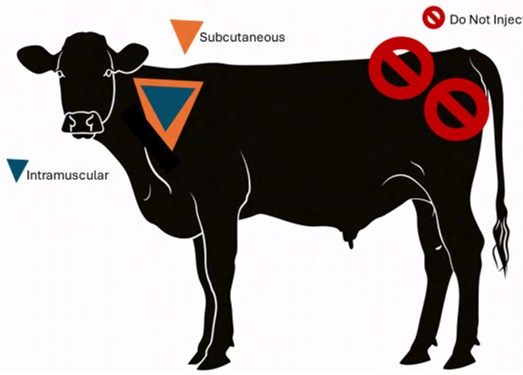
All Records should be kept for 2 years (24 months)
| Animal ID | Product Administered | Product Lot # | Product Exp. Date | Dose Given cc’s/ml’s | R.O.A. SQ/IM/Oral/Ext | Withdrawal Time in Days | Initials of Person Administering |
|---|---|---|---|---|---|---|---|
Follow All Labeled Directions
All Records should be kept for 2 years (24 months)
| Animal ID | Product Administered | Product Lot # | Product Exp. Date | Dose Given cc’s/ml’s | R.O.A. SQ/IM/Oral/Ext | Withdrawal Time in Days | Initials of Person Administering |
|---|---|---|---|---|---|---|---|
| Cow ID | Calf ID | Sire ID | Birth Date | Birth Weight Sex | Wean Weight | Remarks |
|---|---|---|---|---|---|---|
| 631 | 801 | AN31 | 15 -Mar | 85 B | 550 | Red White Face |
| Cow ID | Calf ID | Sire ID | Birth Date | Birth Weight Sex | Wean Weight | Remarks |
|---|---|---|---|---|---|---|
| 631 | 801 | AN31 | 15 -Mar | 85 B | 550 | Red White Face |

PB1663 12/25 26-0055
Tennessee Master Forage Program
utbeef.tennessee.edu
Tennessee Master Beef Producer Program
utbeef.tennessee.edu
UT Bull Development and Evaluation Program
utbeef.tennessee.edu
Tennessee Beef Heifer Development Program
utbeef.tennessee.edu
Live.Stock Companion and Broadcast
utbeef.tennessee.edu
Beef Cattle: Economics and Marketing
utbeef.tennessee.edu
Beef Cattle: Breeding and Reproduction
utbeef.tennessee.edu
Beef Cattle: Genetics
utbeef.tennessee.edu
UT Soil, Plant and Pest Center
soillab.tennessee.edu
Beef Cattle: Finished Beef
utbeef.tennessee.edu
Forage and Field Crop Seeding Guide for Tennessee

Grazing Management Principles for Beef Cattle
Sprayer Calibration
Beef Cattle: Health
utbeef.tennessee.edu
Heat Stress in Beef Cattle

Water Quality for Beef Cattle
Understanding Fertilizer
Drill Calibration
Winter Weed Management
Forage Variety Trials
utbeef.tennessee.eduBased on the subjects and categories of this publication, you may be interested in the following resources.


